
Something feels off about your pet, but you cannot quite put your finger on it.
Your dog now takes the stairs one at a time. Your cat has stopped jumping on the counter. Your rabbit sits hunched instead of stretching out.
If you think it may be pain-related, the first step towards a solution is bringing it up with your vet.
Here is what most pet parents do not know. Dogs, cats, and rabbits hide pain on purpose. It is instinct. By the time you notice your pet moving differently, they have probably been hurting for months.
Pain medication helps pets, but it does not work for all. Some pets have kidney or liver problems that make those drugs unsafe.
St. Pete Veterinary Hospital now offers cold laser therapy using a doctorVet Class IV laser. It eases pain and speeds healing with no drugs at all. Most pets fall asleep during treatment.
What Is Cold Laser Therapy for Pets?
Cold laser therapy uses light to help your pet’s body heal itself.
The word “cold” throws people off. It does not mean the laser feels cold. It means this laser does not cut or burn the way a surgical laser does. Most pets feel a little warmth and nothing else.
Here is what happens under the skin. Light passes through the fur and reaches the sore tissue underneath. Your pet’s cells absorb that light and convert it into energy.
They use that energy to repair themselves. Swelling goes down. Blood flow improves. Hurt tissue heals faster.
What Cold Laser Can Help With?
- Arthritis, hip problems, stiff knees, and back pain
- Healing after surgery or pulled teeth
- Wounds that heal slowly
- Sprains and sore muscles
What Happens During a Session?
No anesthesia. No sedation. No shaving.
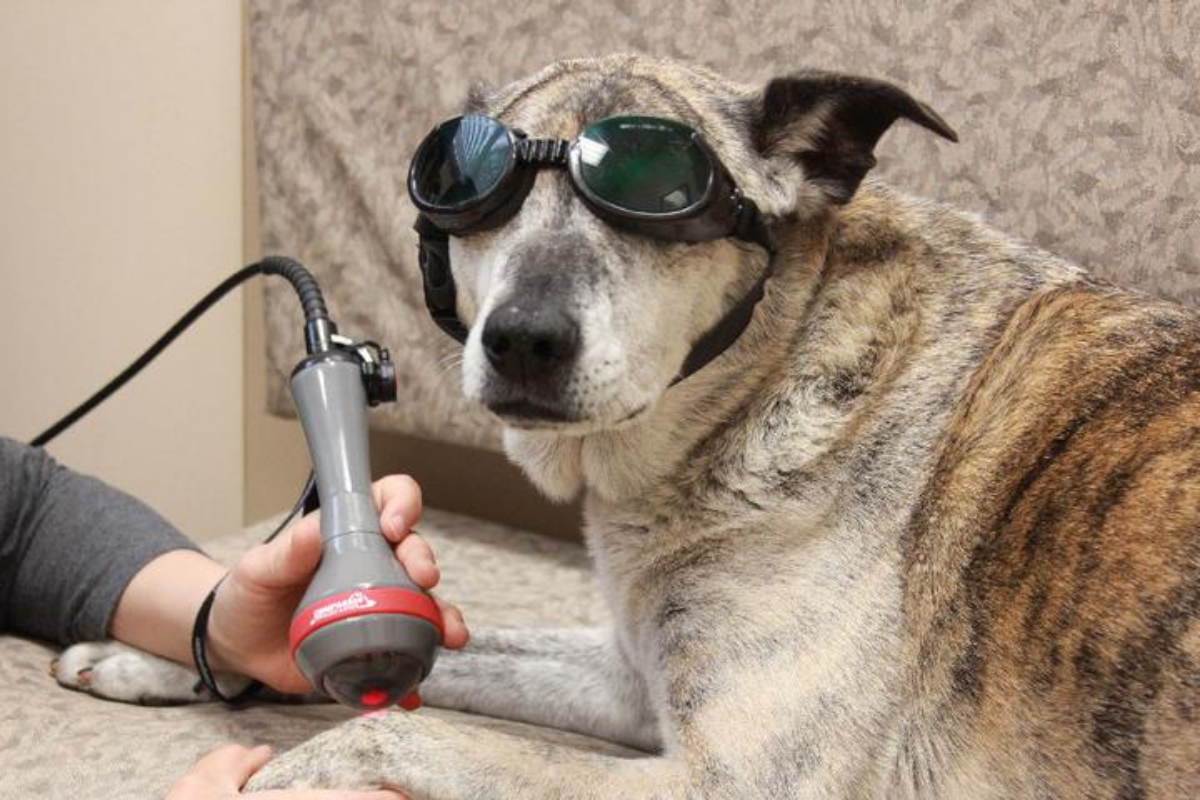
A technician holds the laser wand over the sore spot and moves it slowly. Everyone wears goggles, including your pet, because Class IV light can hurt the eyes.
Most sessions take five to twenty minutes. Many pets lie down and relax. Some fall asleep.
How Many Sessions Will My Pet Need?
New problems, such as a surgical cut, often improve in a few sessions.
Arthritis and other long-term problems take more.
Dr. Foley develops the plan after examining your pet. A senior cat with a stiff back needs something different than a Lab healing from knee surgery.
Does It Replace Pain Medicine?
Not always, because pain management is different for each pet. For some pets, the laser works alongside their medicine, and over time we may be able to lower the dose. For pets who cannot take those drugs safely, the laser becomes the main plan. Dr. Foley will tell you which one your pet is.
Ready to Find Out If This Could Help?
Maybe your dog is slowing down. Maybe your cat stopped jumping. Maybe surgery recovery is taking longer than you expected.
Dr. Foley will examine your pet and tell you whether laser therapy makes sense..
Call 727-214-3527 or text 727-218-5333 to book a visit at St. Pete Veterinary Hospital. You can also book online here.